How an international move works
An overseas move is not one company driving your furniture to a new country. It is a chain, and each link is done by someone different:
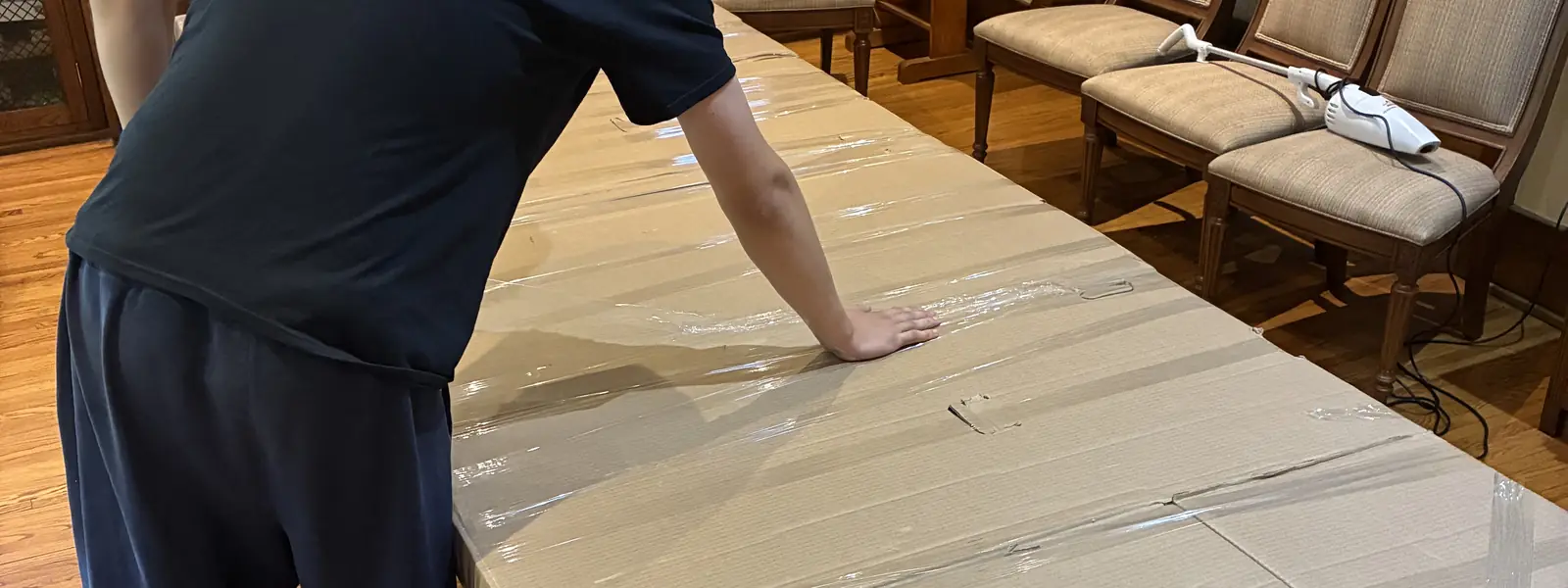
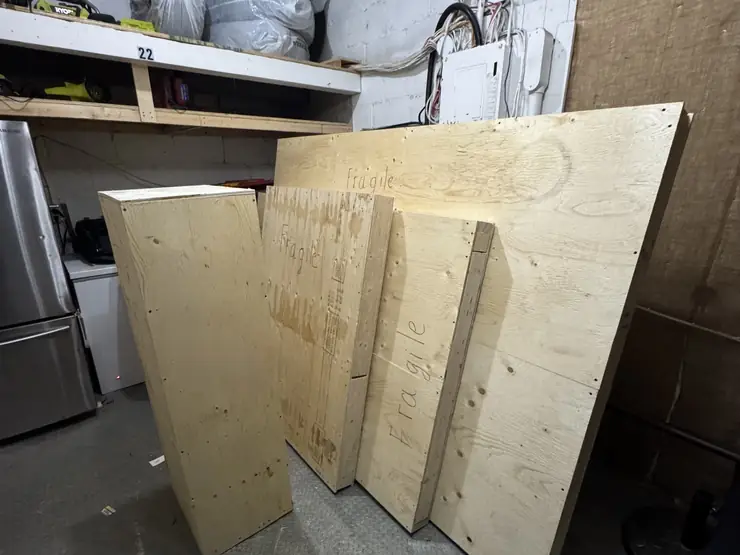
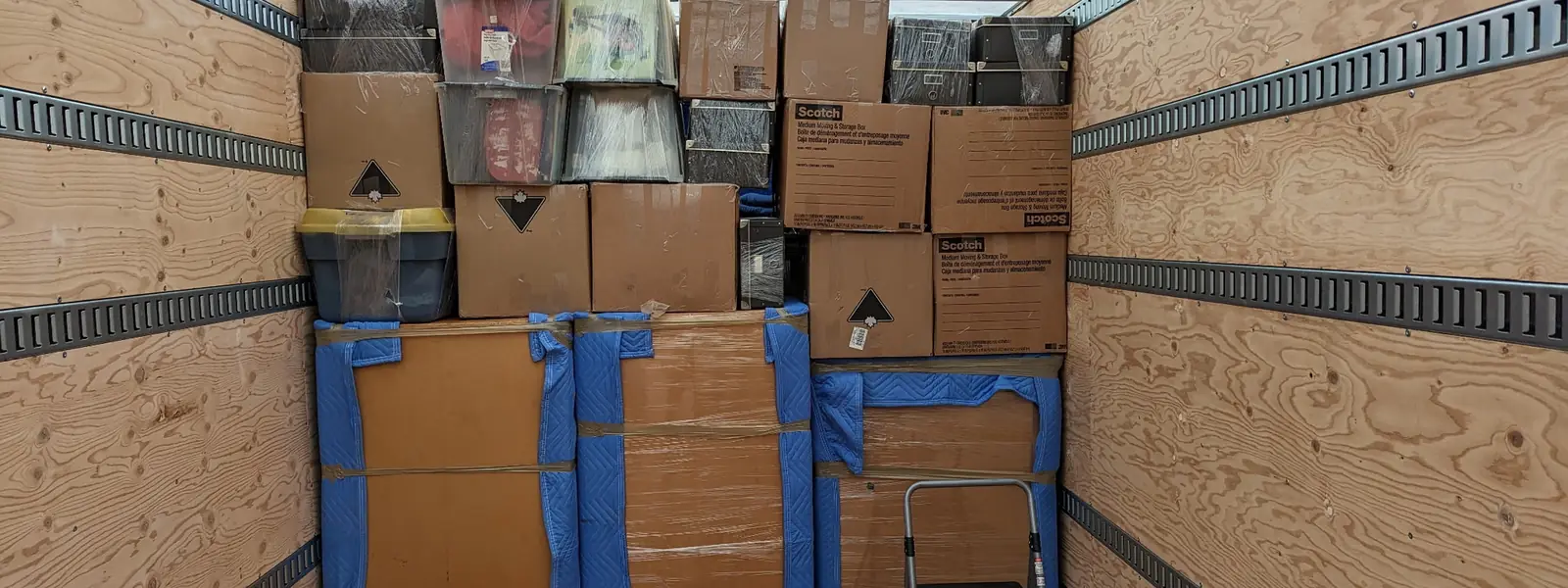
- The mover at origin — us, in Montreal — surveys your home, packs everything to export standard, crates fragile pieces, prepares the inventory and loads the container.
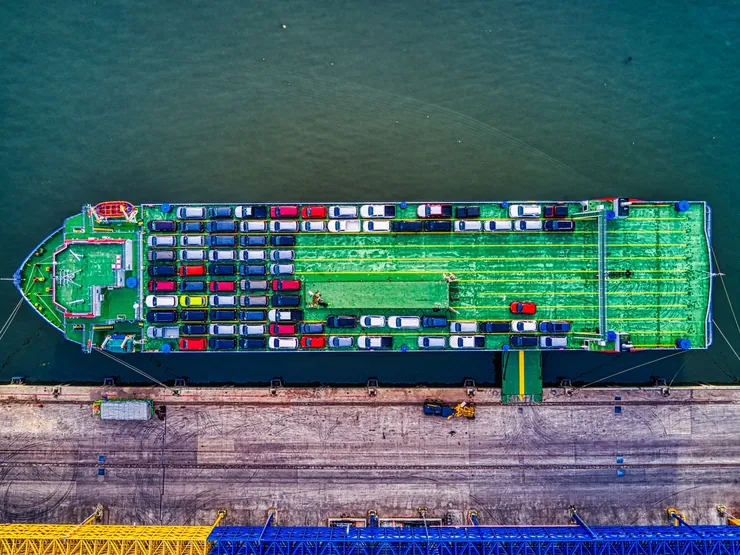
- The freight forwarder books space on a ship, prepares the shipping documents and moves the container from the port of departure to the port of arrival.
- The destination agent clears the shipment through customs in your new country, delivers it to your door, unloads and often unpacks.
When a quote says “door to door”, check that it includes all three. A price that stops at the Port of Montreal, or at the port of arrival, is not door to door — and arranging the last mile yourself in a country you have just arrived in is rarely cheaper. We work with forwarders we know, or with the one you choose, and put the Montreal price and the forwarder’s price side by side so you see the full cost before you commit.
For the container itself — sizes, live loading, shared containers and export packing — see overseas container moving.
How long it takes
| Stage | Typical time |
|---|---|
| Survey and quote | a few days |
| Packing, crating and loading in Montreal | one to three days |
| Trucking to port and waiting for the vessel | several days to two weeks |
| Ocean transit | about two weeks to Western Europe; longer to Asia, Africa or Oceania |
| Customs clearance and delivery at destination | several days to a few weeks |
These are rough guides; the forwarder gives you the schedule for your route. Plan to live without your furniture for six weeks or more, and pack a suitcase — or a small air shipment — for everything you need in the meantime.
What to ship and what to replace
Ocean freight is priced by volume, so every large item is a decision. Ship the furniture you love, pieces that are hard to replace, art, books and personal belongings. Think twice about inexpensive flat-pack furniture and large appliances. North American appliances run on 120 V and most of the world uses 230 V; adapters do not fix motors or heating elements, so unless an appliance is dual-voltage, it usually stays behind. Documents, jewellery, medication and the electronics you need in the first weeks travel with you, never in the container.
Documents at the destination
Every country sets its own rules for importing household goods. Many let new residents and returning citizens import used belongings without duty if conditions are met, and most ask for a detailed inventory, a copy of your passport, proof of residence or a residence permit, and sometimes a declaration in the local language. Vehicles, pets, alcohol, food, plants and medication are restricted almost everywhere. The destination agent tells you exactly which documents they need; we prepare the inventory in the format they ask for.
Insurance on the ocean
A container is handled many times and spends weeks at sea. The forwarder can offer marine insurance for the ocean leg, based on a declared value. Declare realistic replacement values, not what you paid years ago, and keep the inventory — with photographs of valuable items — because it is what makes a claim possible.
Coming back to Montreal
Canadians returning after living abroad, and newcomers settling here, declare their goods to the Canada Border Services Agency when they arrive, with a list of goods that will follow later. When your container reaches Montreal, we can collect it from the port or the forwarder’s warehouse, deliver it, unpack and set up your home — and keep it in storage if your apartment is not ready yet.
Students and short assignments
For a year of study or a short posting abroad, a full container is rarely worth it. A small shipment in a shared container for the things you cannot replace, plus storage in Montreal for the furniture you will want when you come back, usually costs less than shipping everything twice.